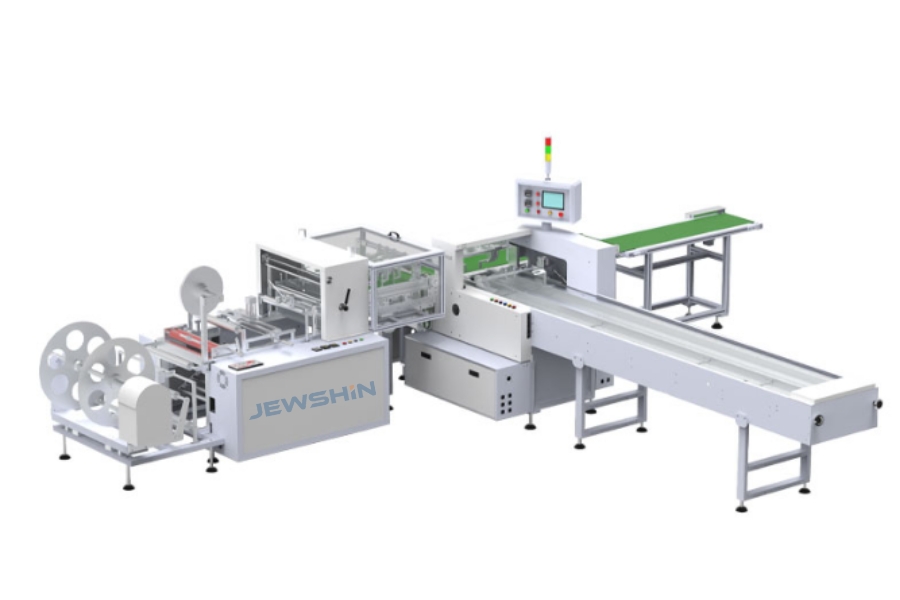
A reliable packaging machinery manufacturer helps businesses improve production consistency, reduce downtime, and select equipment that matches specific product requirements. Companies that evaluate suppliers based on engineering ability, machine lifespan, service support, and automation experience often achieve better long-term performance. With the global packaging machinery market exceeding USD 50 billion in 2023 and automation adoption increasing across food, pharmaceutical, beverage, and consumer goods industries, choosing the right manufacturer has become an important part of production planning.
Modern manufacturing depends on packaging systems that can maintain stable output, accurate filling, strong sealing quality, and consistent product presentation. A packaging machine is usually connected with multiple production stages, so equipment reliability affects the entire workflow.
According to industry data, automated packaging solutions helped many manufacturers reduce manual packaging tasks by 30% to 60% between 2018 and 2024. Companies now evaluate machines by production speed, maintenance requirements, energy use, and compatibility with future product changes.
A packaging system producing 120 packages per minute can process more than 57,000 units during an 8-hour shift, making equipment stability important for daily production targets.
Selecting an experienced packaging machinery manufacturer allows businesses to receive equipment designed around their products instead of adjusting products to match limited machine functions.
Different industries require different packaging methods. Food producers often need equipment with stainless steel structures, easy cleaning procedures, and accurate portion control. Pharmaceutical manufacturers require higher precision, controlled environments, and reliable inspection functions.
A professional supplier studies product size, material type, packaging format, and production volume before recommending equipment. For example, a company producing multiple package sizes may need adjustable systems that reduce changeover time. Modern machines with automatic adjustment functions can shorten format changes by more than 50% compared with manual adjustment methods used in older production lines.
This level of customization affects production efficiency because packaging requirements often change as businesses expand. A machine designed only for current needs may create limitations when new products enter the market.
Equipment lifespan is another factor businesses consider when purchasing packaging machinery. Industrial packaging systems are commonly expected to operate for 8 to 15 years depending on usage conditions, maintenance quality, and component selection.
A lower purchase price does not always represent lower total cost. Frequent repairs, replacement parts, and production interruptions may increase operating expenses over time. Manufacturers using high-quality motors, sensors, controllers, and mechanical components usually provide more stable operation.
| Evaluation factor | Common industry expectation |
|---|---|
| Machine operating life | 8–15 years |
| Production availability | Above 90% in well-maintained systems |
| Changeover improvement | 30%–60% reduction with automation |
| Material waste reduction | 5%–15% through accurate control |
Reliable equipment performance also depends on manufacturing quality control. Professional suppliers usually perform assembly inspections, operation testing, and safety checks before delivery. These processes help identify mechanical or electrical issues before installation at the customer site.
A machine that passes factory testing can reduce installation problems and help production teams reach normal output faster after commissioning.
After-sales service is another reason businesses choose established machinery suppliers. Packaging equipment includes mechanical parts, electronic controls, software settings, and production parameters that require technical knowledge.
When a production line stops, response time affects output. For example, a high-speed packaging system running 150 units per minute may lose 9,000 packaged products after one hour of unexpected downtime.
Manufacturers with technical support teams, spare parts availability, and remote assistance can help reduce recovery time. Many international companies prefer suppliers that provide installation guidance, operator training, and maintenance schedules after equipment delivery.
Automation technology has changed packaging production in recent years. Between 2020 and 2025, many factories increased investment in automated systems because of higher labor costs and stricter quality requirements.
Modern packaging machines may include PLC controls, touchscreen interfaces, robotic loading systems, barcode inspection, and production monitoring software. These features improve accuracy and provide operators with better production information.
Automation also helps reduce packaging errors. A filling system with precise measurement control can reduce product overfilling, while automatic inspection systems can identify damaged packages before shipment.
Energy consumption has become another purchasing consideration. Manufacturers are increasingly interested in machines that use efficient motors, optimized air systems, and improved heating controls.
For high-volume production, small efficiency improvements can create measurable savings. A packaging machine that reduces energy consumption by 10% may save thousands of dollars annually depending on operating hours and electricity prices.
Sustainability requirements are also influencing packaging equipment development. Many companies are changing materials, reducing packaging thickness, and improving recycling compatibility.
Packaging machinery must adapt to these changes because different materials require different sealing temperatures, pressure settings, and handling methods. Equipment flexibility allows manufacturers to introduce new packaging formats without replacing entire production systems.
Supplier experience helps businesses avoid unsuitable equipment choices. A manufacturer with projects across different industries usually understands common production requirements, including speed limitations, material characteristics, and factory layout restrictions.
Before selecting a supplier, companies often review several areas:
-
Previous installation experience in similar industries
-
Machine design flexibility
-
Quality inspection procedures
-
Spare parts availability
-
Technical service response time
-
Customer feedback and project history
These factors help companies compare suppliers beyond equipment price.
The best equipment choice usually comes from matching machine capability with production requirements, rather than selecting the lowest initial quotation.
A reliable packaging machinery manufacturer also supports future production growth. Businesses may increase output, add product categories, or enter new markets after purchasing equipment. Machines with modular designs allow additional functions to be installed later.
For example, a packaging line may begin with automatic filling and sealing equipment and later add labeling, inspection, or robotic palletizing systems. This approach allows companies to improve production capacity gradually.
The packaging industry continues to develop as manufacturers seek higher efficiency, better product quality, and more flexible production methods. Global demand for automated packaging equipment increased steadily after 2020, with food, beverage, healthcare, and consumer product sectors remaining major users.
Choosing the right machinery supplier requires evaluation of engineering capability, equipment reliability, technical support, and long-term compatibility. Companies that work with experienced manufacturers are more likely to maintain stable production and adapt to changing market requirements.
A reliable packaging machinery manufacturer provides more than equipment; it provides a production solution designed for continuous operation, quality control, and future expansion.