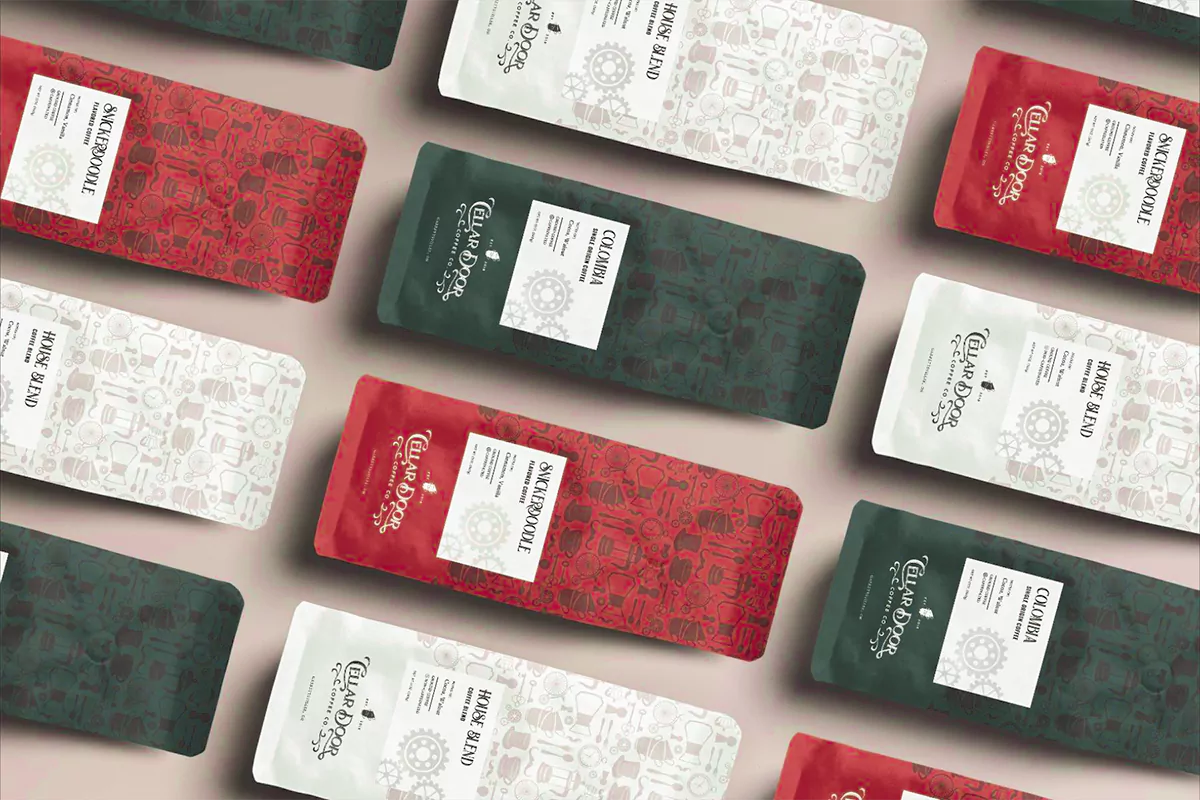
Between 2024 and 2025, tests on certified kraft coffee bags with high-barrier coatings showed oxygen protection reaching 0.5 cc/m²/day, yet compostables account for only 8% of global flexible coffee packaging due to a 45% resin cost gap and less than 12% industrial composting access across North America and Europe.
Traditional multi-layer plastic structures dominated 88% of the 1.2-million-ton global coffee packaging market in 2025, utilizing aluminum foil layers to keep oxygen permeability under 0.1 cc/m²/day over 18-month retail storage cycles. High-density polyethylene and PET combinations protect sensitive volatile aromatics across long shipping routes, which prevents early oxidation in mass supply chains.
A 2024 laboratory study analyzing 150 roasted Arabica samples found that coffee sealed in standard three-layer foil laminates retained 94% of its organic volatile compounds after 360 days at 23°C.
These chemical barrier metrics set the baseline standard that alternative bio-based materials must match to prevent rapid flavor degradation during extended retail shelf exposure.
Bio-polymers like PLA and PHA have reduced their oxygen transmission rates from 35 cc/m²/day in 2022 down to 1.2 cc/m²/day in 2025 tests, narrowing the performance gap for regional distributors. Fresh roast stability now reaches 180 days without noticeable flavor loss, allowing specialty roasters to shift away from fossil-fuel plastics for regional orders.
| Material Type | Oxygen Transmission Rate (cc/m²/day) | Moisture Barrier (g/m²/day) | Average Retail Shelf Life (Months) | Raw Resin Cost Premium vs PE |
| Traditional PET/ALU/PE | 0.05 - 0.10 | 0.1 - 0.5 | 12 - 18 | Baseline (0%) |
| High-Barrier kraft coffee bags | 0.50 - 1.50 | 1.0 - 2.5 | 6 - 9 | +40% to +55% |
| Standard PLA / Paper | 15.00 - 30.00 | 5.0 - 12.0 | 2 - 3 | +25% to +35% |
Higher material prices continue to constrain wide adoption across commercial retail lines that operate on margins below 14%.
A 2025 industry survey across 200 European roasting facilities revealed that 64% of medium-sized operators cited raw material expenses as their main barrier to ditching conventional plastics. Converting automated form-fill-seal machinery to handle bio-based films requires temperature control adjustments that reduce sealing speeds by 18%, increasing operational costs per unit.
Field trials conducted in 2024 across 40 municipal waste facilities in Western Europe showed that only 9% of collected compostable bags completely decomposed within the standard 90-day industrial processing window.
Infrastructure shortages further complicate disposal pathways when bio-plastics enter standard waste streams instead of dedicated organic processing plants.
In 2025, less than 15% of households in North America had access to curbside industrial composting services capable of maintaining the steady 58°C heat required to break down complex PHA structures. Unsorted bio-plastics end up in standard recycling batches, where a 2% contamination rate can cause entire loads of recyclable HDPE to be rejected and sent to landfills.
-
Direct-to-consumer subscription models using short distribution loops replaced 38% of their plastic bags with bio-materials between 2023 and 2025.
-
Supermarket brand lines requiring 12-month minimum shelf lives maintained a 92% reliance on traditional aluminum laminate films throughout 2025.
-
Hybrid multi-layer bio-films utilizing thin vacuum-deposited aluminum oxides increased their market share by 27% in specialized café chains during 2024.
Regional sales channels with quick product turnover adopt bio-based alternatives faster than export brands that require long container ship transit times.
European Union packaging directives targeting a 15% reduction in plastic packaging waste by 2030 are forcing large coffee conglomerates to fund alternative barrier research. Material testing across 80 industrial roasting setups in 2025 showed that paper-based structures with thin aqueous coatings protected whole beans for 210 days under standard ambient conditions.
Chemical analysis of 300 retail coffee samples in 2025 demonstrated that ambient humidity levels above 65% accelerated moisture gain in bio-laminates by 31% compared to traditional foil barriers.
These environmental sensitivity factors restrict compostable usage in humid tropical export regions, keeping traditional plastics dominant in international trade routes.
By the end of 2025, corporate investment in bio-polymer barrier research increased by 42% across North America, aiming to bring raw resin production costs down to within 15% of petroleum polymers by 2028. Processing plant expansions scheduled across Germany and the Netherlands for late 2026 will add 120,000 metric tons of annual PHA manufacturing capacity to supply commercial flexible packaging lines.
-
Regional micro-roasters selling directly to local consumers within 30 days of roasting achieved an 82% adoption rate of plant-based packaging in 2025.
-
Wholesale distributors shipping roasted beans across international sea routes kept 95% of their inventory in multi-layer fossil-fuel barrier structures during 2025.
-
Municipal waste audits from 50 major US cities in 2024 identified that 78% of flexible coffee pouches ended up in general municipal waste bins regardless of material certification labels.
Commercial realities point toward a split packaging landscape rather than total replacement of established petroleum-based films over the coming decade.